

AI Prompts for Image Generation: 10 Pro Frameworks
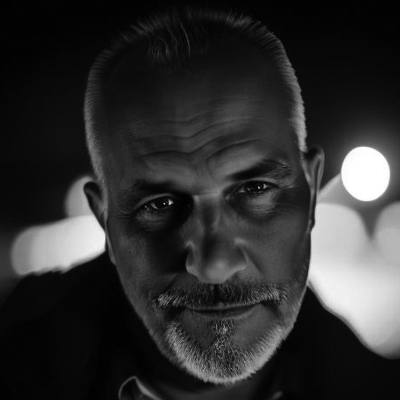
Using structured ai prompts for image generation allows your business to produce professional marketing assets and e-commerce content without the high overhead of a traditional studio shoot. You get predictable, commercial-grade visual assets by defining technical parameters like lighting, focal length, and brand-specific color codes rather than using descriptive adjectives. This technical approach ensures every image aligns with your brand identity and serves a specific conversion goal.
How do I write an AI prompt for image generation?
To write an effective AI prompt, you must provide a subject, secondary environment details, specific lighting conditions, and camera settings in a structured technical string. Using precise terms like "85mm lens" or "soft box lighting" instead of vague words like "beautiful" prevents the AI from generating artistic but unusable mush.
I recommend using this four-part specification for every product shot you generate:
- Core Subject: Minimalist leather wallet, mahogany brown texture, pebbled grain.
- Environment: Placed on a matte black stone surface, centered composition.
- Lighting: Soft natural window light from the right side, subtle dramatic shadows.
- Technical Modifiers: Sharp focus, depth of field, f/2.8, 8k resolution, commercial photography style.
For those managing high volumes of assets, integrating these frameworks into ai-agents can automate the production of entire catalogs. You can find more on technical prompt construction in our knowledge base.
How can I keep AI images consistent with my brand?
You maintain brand consistency by including specific hex codes, repeatable aspect ratios, and a defined aesthetic style string in every prompt. By standardizing these variables, different team members can produce visuals that look like they came from the same photographer, regardless of which ai-tools they use.
| Template Type | Primary Use Case | Key Modifier to Include |
|---|---|---|
| Hero Product Photo | E-commerce Listings | Camera Settings (e.g., "f/1.8 aperture") |
| Brand Style Guide | Social Media / Web Design | Specific Hex Codes (e.g., #0066CC) |
| Lead Generation | Ad Creative / Funnels | Negative space for text overlays |
| Lifestyle Shot | Storytelling / Content | Persona Actions (e.g., "person typing") |
What are the best prompts for lead generation visuals?
The best prompts for lead generation feature a customer persona achieving a specific outcome while leaving at least 30% negative space for headlines. These visuals must use high-contrast focal points that draw the eye toward your future call-to-action button or text overlay.
Example: "Professional business owner looking at a tablet with a smile of relief, modern sunlit office background, cinematic lighting, wide shot with 40% negative space on the left for marketing copy."
Manual prompting is a starting point, but it does not scale well. I tell my customers to treat prompts like code; you wouldn't write the same function from scratch every time. For more advanced implementations, check out the Midjourney parameter documentation to refine your technical syntax. If you need pre-built frameworks, our ai-prompts section provides industry-specific specifications.
Frequently asked questions
Can I use AI-generated images for commercial ads?
Commercial use is generally permitted if you hold a paid subscription with the tool provider. For example, Midjourney's Pro plans grant full commercial rights to the images created by your account. Always verify the current terms of service for your specific tool to ensure compliance with intellectual property laws.
How do I stop AI from making distorted hands or faces?
To fix anatomy in lifestyle shots, include modifiers such as "anatomically correct" or "highly detailed skin texture." If an image is nearly perfect but has a distorted hand, use the "Inpainting" or "Vary Region" tool to regenerate only that specific section rather than starting over.
How do I change the size of the image for different platforms?
You control the image shape by adding an aspect ratio parameter to the end of your prompt, such as "--ar 16:9" for YouTube thumbnails or "--ar 9:16" for mobile ads. Each tool uses its own specific syntax, so check the platform's reference guide when building your ai prompts for image generation.