

10 AI Prompts for Photos to Use in 2026
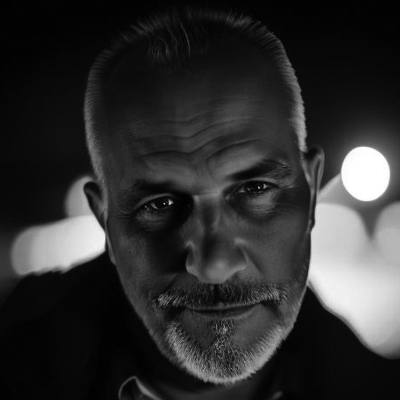
Visual content reigns supreme, but creating professional photos for every marketing, social, and web need is a significant drain on time and resources. AI image generation offers a powerful alternative, giving small businesses and creators the ability to produce high-quality visuals instantly. The secret to controlling this technology is mastering the art of the prompt. This guide delivers a detailed collection of copy-ready ai prompts for photos, organized by common business functions.
You will find practical templates for everything from product photography and social media campaigns to website hero images and marketing banners. This isn't just a list of commands; it's a blueprint for effective visual creation. We'll show you how to structure your prompts to get precise, on-brand results, transforming simple text into stunning images that capture attention.
Before diving into our extensive library, a solid understanding of the foundational principles of crafting effective AI prompts is invaluable. Explore a complete guide on What Is Prompt Engineering? to learn the core techniques that will help you get the most out of every prompt you write.
Furthermore, we will cover essential best practices for prompt design and show you how to save your most successful commands into automated libraries. By using tools like SynaBot to store and reuse prompts, you can build an efficient content workflow that consistently produces excellent visuals. Prepare to generate captivating imagery that grows your audience and achieves business goals, all without the need for a physical photo studio.
1. Product Photography with Lifestyle Context
Move beyond sterile, white-background product shots by placing your items into authentic, real-world scenarios. This category of AI prompts for photos is designed to generate images that tell a story, showing potential customers how a product fits into their lives. For small businesses and e-commerce startups, this method provides a cost-effective alternative to expensive, logistically complex lifestyle photoshoots.
The core idea is to combine specific product details with rich contextual elements, including environment, lighting, and human interaction. This not only demonstrates the product's use but also helps build a strong brand aesthetic and emotional connection with your target audience. For instance, a small fashion retailer can show a handbag being carried on a bustling city street, or a home goods business can display a ceramic mug filled with coffee on a cozy, sunlit kitchen counter.
Actionable Prompt Template & Tips
A successful prompt is all about the details. Start with a clear product description and layer in the environmental and emotional context you want to create.
Prompt Template: in a , . A is interacting with the product by . The overall mood is . Shot with a , .
Customization Tips:
- Product Specificity: Be exact. Instead of "blue backpack," use "royal blue nylon backpack with silver zippers, 25-liter capacity, side water bottle pocket."
- Define the User: Describe your ideal customer. For example, "A 30-year-old woman with curly brown hair, wearing casual business attire."
- Set the Scene: Clearly state the mood and brand feel. Use words like "warm and inviting," "minimalist and clean," or "energetic and vibrant."
- Iterate for Perfection: Your first result may not be perfect. Refine your prompt by adjusting lighting, model poses, or background details until it aligns with your brand guidelines. For more advanced techniques, a solid grasp of prompt structure is key; consider reviewing the fundamentals of prompt engineering to improve your results.
Key Takeaway: The goal is to make the viewer imagine themselves using the product. By providing the AI with a detailed narrative, you move from a simple product image to a powerful marketing asset.
To create compelling lifestyle context for your products, consider utilizing advanced tools that enable you to seamlessly transition your product into a complete scene with an AI model. For instance, you can use a product to model AI to generate professional-grade lifestyle images from a single product photo.
2. Social Media Content Templates (Instagram, LinkedIn, TikTok)
Move past generic stock photos and create a steady stream of on-brand visuals tailored for each social media platform. This category of AI prompts for photos focuses on generating images optimized for the specific dimensions, audience expectations, and aesthetic styles of channels like Instagram, LinkedIn, and TikTok. For small businesses trying to maintain a consistent social presence, this approach offers a powerful way to produce high-quality content without a dedicated design team or expensive software.
The main concept is to build platform-specific prompt templates that account for the unique demands of each network. An image that performs well on LinkedIn's professional feed will likely fall flat on the visually driven, fast-paced world of TikTok. For example, a fitness startup can generate weekly workout inspiration posts for Instagram, while a SaaS company can create polished visuals for thought leadership articles on LinkedIn. These prompts ensure consistency and save significant time in content creation.
Actionable Prompt Template & Tips
A well-crafted prompt for social media considers the platform's culture and technical requirements from the start. Begin with the core visual idea and then layer in platform-specific details.
Prompt Template:A photo for , in a . Aspect ratio . The scene is . The dominant colors are . The overall tone is .
Customization Tips:
- Platform First: Always specify the platform. Use "Instagram Reel background," "LinkedIn article header," or "TikTok video still" to guide the AI on composition and style.
- Content Pillars: Create separate prompts for each of your content pillars (e.g., educational, behind-the-scenes, motivational). This helps organize your content calendar.
- A/B Test Variations: Ask the AI for variations with different color schemes or slightly altered compositions. This is an easy way to A/B test which visuals resonate most with your audience.
- Stay Relevant: Update your prompts seasonally or to align with current trends. Add elements like "autumn colors" or "festive holiday background" to keep content fresh. For a deeper dive into prompt creation, exploring the fundamentals of AI prompting can significantly improve your outputs.
Key Takeaway: The goal is to automate the creation of platform-native content that looks bespoke. By building a library of specific prompts, you can batch-generate a month's worth of social media visuals in a fraction of the time.
3. Before-and-After Transformation Visuals
Demonstrate the power of your services or products with compelling before-and-after imagery. This category of AI prompts for photos specializes in creating side-by-side visuals that show a clear transformation, a highly effective tool for businesses like home improvement, fitness coaching, or beauty services. It allows you to showcase tangible results and build client trust without needing an extensive portfolio of real case studies, which can be time-consuming to gather.
Actionable Prompt Template & Tips
Crafting an effective headshot prompt requires balancing professionalism with a touch of personality. Start with the desired demographic and then layer in details about the setting, lighting, and expression.
Prompt Template:Professional headshot of a , , with a . Dressed in . The background is a . Studio lighting, shot with a , .
Customization Tips:
- Specify Professional Context: Define the attire clearly. Use terms like "business casual blue blazer," "dark gray turtleneck sweater," or "button-down shirt, no tie."
- Request Diversity: To create a representative team page, intentionally vary prompts to include a mix of ethnicities, ages, and genders.
- Control the Background: Keep backgrounds simple to maintain focus on the person. Phrases like "soft neutral gray background," "out-of-focus modern office," or "solid off-white wall" work well.
- Generate Multiple Angles: Create a few variations for each person, such as a straight-on shot and a three-quarter view, to have options for different layouts. Always remember to disclose AI generation where legally or ethically required.
Key Takeaway: The aim is to produce a gallery of consistent, professional, and believable headshots that enhance your brand's credibility. By standardizing your prompts, you can build a library of on-brand avatars for any business need.
9. Infographic and Data Visualization Templates
Transform complex data and abstract concepts into clear, engaging visuals using AI-generated graphics. This category of AI prompts for photos focuses on creating custom infographics, charts, and flow diagrams, providing a powerful way to communicate information without needing specialized design software or hiring a graphic artist. For businesses, this is an efficient method for explaining processes, showcasing statistics, or visualizing results in a way that is both professional and easy to understand.
The main objective is to translate raw data or procedural steps into a visually coherent narrative. Instead of presenting a dense block of text or a confusing spreadsheet, you can generate a vibrant pie chart showing market share, a clean flowchart detailing a customer onboarding process, or a statistical graphic illustrating campaign growth. This approach is ideal for marketing agencies demonstrating ROI to clients, consultants showing process improvements, or sales teams visualizing competitive advantages.
Actionable Prompt Template & Tips
A great data visualization prompt is built on clarity and precision. You must provide the AI with the specific data, the desired visual format, and the stylistic elements needed to match your brand.
Prompt Template:An infographic about . Style: . The main colors are . It should include a showing . Also, include a section with icons representing . The title text is "" in a bold, sans-serif font. All text should be clear and legible for a .
Customization Tips:
- Be Specific with Data: Don't just say "show sales growth." Provide exact figures: "A bar chart showing quarterly sales: Q1 $50k, Q2 $75k, Q3 $65k, Q4 $90k."
- Request Clear Legends: Explicitly ask for "a clear legend explaining the color coding" or "labels on each segment of the pie chart with percentage values."
- Define Your Audience: Specify the audience’s technical background. A graphic for engineers can be more detailed than one for a general social media audience.
- Generate Style Variations: Create different versions for various platforms. Ask for a "vertical layout for Instagram Stories" or a "wide-format version for a presentation slide." Always double-check the accuracy of the visualized data before publishing.
Key Takeaway: The goal is to make complex information digestible at a glance. By feeding the AI precise data, layout instructions, and style guidelines, you can produce compelling visual assets that support your business communication.
10. Testimonial and Quote Graphics Templates
Transform raw customer praise into compelling visual assets by generating professional testimonial cards and quote graphics. This category of AI prompts for photos is built to create shareable images that highlight social proof, customer success stories, and positive reviews. For businesses of all sizes, this offers a fast, scalable way to produce marketing materials that build brand credibility and trust without needing a graphic designer for every new review.
The main objective is to combine customer quotes with on-brand visual elements, such as logos, color schemes, and imagery. This turns a simple text review into a powerful piece of content for social media feeds, websites, and sales presentations. For example, a SaaS company can display a customer success metric on a sleek branded card, or a service provider can feature a glowing client testimonial alongside an avatar or professional headshot.
Actionable Prompt Template & Tips
A strong prompt for a testimonial graphic balances text with visual appeal, ensuring the customer's message remains the focal point.
Prompt Template:A testimonial graphic for social media, with a background and . Feature the quote "" in a font. Include the name ", " and a . Place a in the corner. .
Customization Tips:
- Credibility is Key: Whenever possible, use the actual customer’s name and company. Specificity builds trust more effectively than anonymous praise.
- Keep it Concise: Edit quotes to be short and impactful. The AI can help visualize the layout, but a lengthy block of text will always look cluttered.
- Visualize Success: Go beyond text. Ask the AI to include visual elements like "five golden stars to represent a 5-star review" or a small bar chart showing a success metric like "75% increase in efficiency."
- Brand Consistency: Generate multiple style variations by changing terms like "minimalist," "bold and modern," or "elegant and professional." Find a look that matches your brand and use it consistently.
Key Takeaway: The goal is to make social proof visually engaging and instantly shareable. By providing the AI with clear branding instructions and the core testimonial content, you can produce a steady stream of trust-building graphics.
AI Photo Prompts: 10 Use-Case Comparison
From Prompt to Profit: Automating Your Visual Content Strategy
You now possess a powerful toolkit of ai prompts for photos, covering ten critical business functions from product photography to client testimonials. We've moved beyond simple text-to-image commands, providing you with structured templates, customization tips, and concrete examples to generate professional-grade visuals consistently. The journey from a basic idea to a finished marketing asset has been drastically shortened.
But the real value emerges when you stop thinking about individual prompts and start building a visual content system. The techniques shared in this article are not just one-off tricks; they are the fundamental building blocks of an automated, scalable visual strategy. This is where you transition from actively creating content to directing its creation.
Key Takeaways for Immediate Action
To truly benefit from these insights, focus on systemizing your efforts. Here’s a summary of the most important principles we've covered:
- Structure is King: A well-structured prompt with clear subject, action, context, and style parameters will always outperform a vague one. Use the
notation to create reusable templates. - Brand Consistency is Non-Negotiable: Incorporate your specific brand colors, typography style, and emotional tone directly into your prompts. This ensures every image, from a LinkedIn banner to a website hero shot, feels cohesive.
- Iterate and Refine: Your first generated image is rarely the final one. Use techniques like negative prompting (
--no text), adjusting aspect ratios (--ar 16:9), and specifying camera angles to fine-tune your results until they are perfect.
Core Insight: The most successful businesses won't just use AI to generate images; they will build libraries of proven, brand-aligned ai prompts for photos that can be deployed instantly by any team member, ensuring speed and consistency.
Your Next Steps: From Practice to Automation
Mastering the art of the prompt is the first step. The next is to build an efficient workflow around it. Instead of letting your best prompts get lost in chat histories or messy documents, it's time to centralize them. This is where automation platforms can turn your newfound skills into a serious competitive advantage.
Consider the time spent generating visuals for a single campaign: blog images, social media posts, email headers, and ad creatives. Now, imagine a system where you can store your master prompts for each of these categories. By integrating these saved prompts, you can create a powerful, responsive content engine.
This approach moves you from a reactive content creator to a strategic operator. You are no longer just making a picture; you are building an automated system that produces on-brand visuals on demand. Start small. Choose one category from our list, perhaps the social media templates, and perfect a prompt for your brand. Refine it, test it, and then save it. This single action is your first step toward a fully automated visual content strategy, freeing up valuable time to focus on growth and customer engagement. The future of content creation isn't about working harder; it's about building smarter systems with tools designed for the job.
Ready to stop copy-pasting and start automating? SynaBot allows you to save, organize, and deploy your best ai prompts for photos through specialized AI agents. Build a central library for your team and turn your most effective prompts into a scalable content machine. Explore SynaBot today and see how easy it is to systematize your visual content creation.